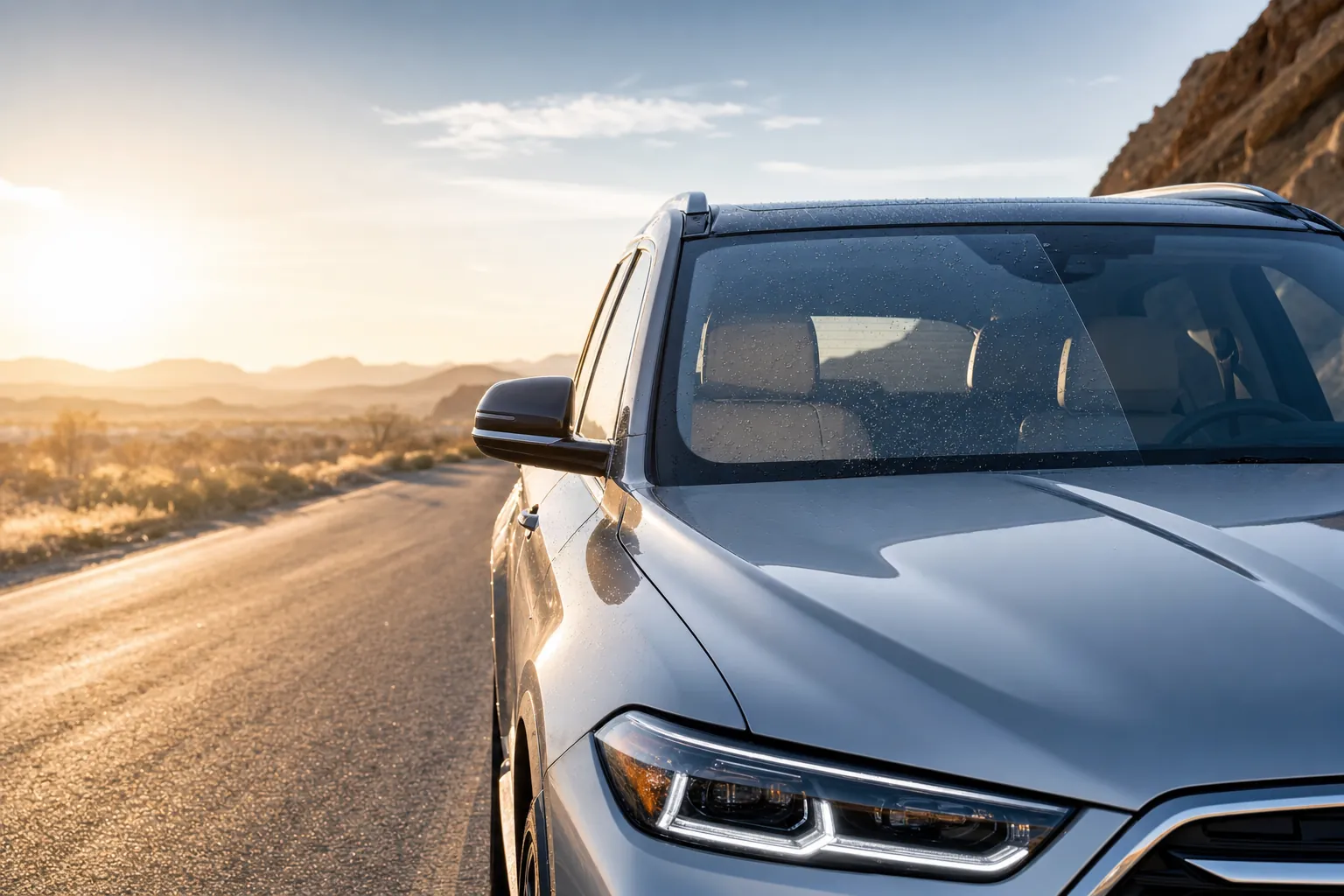
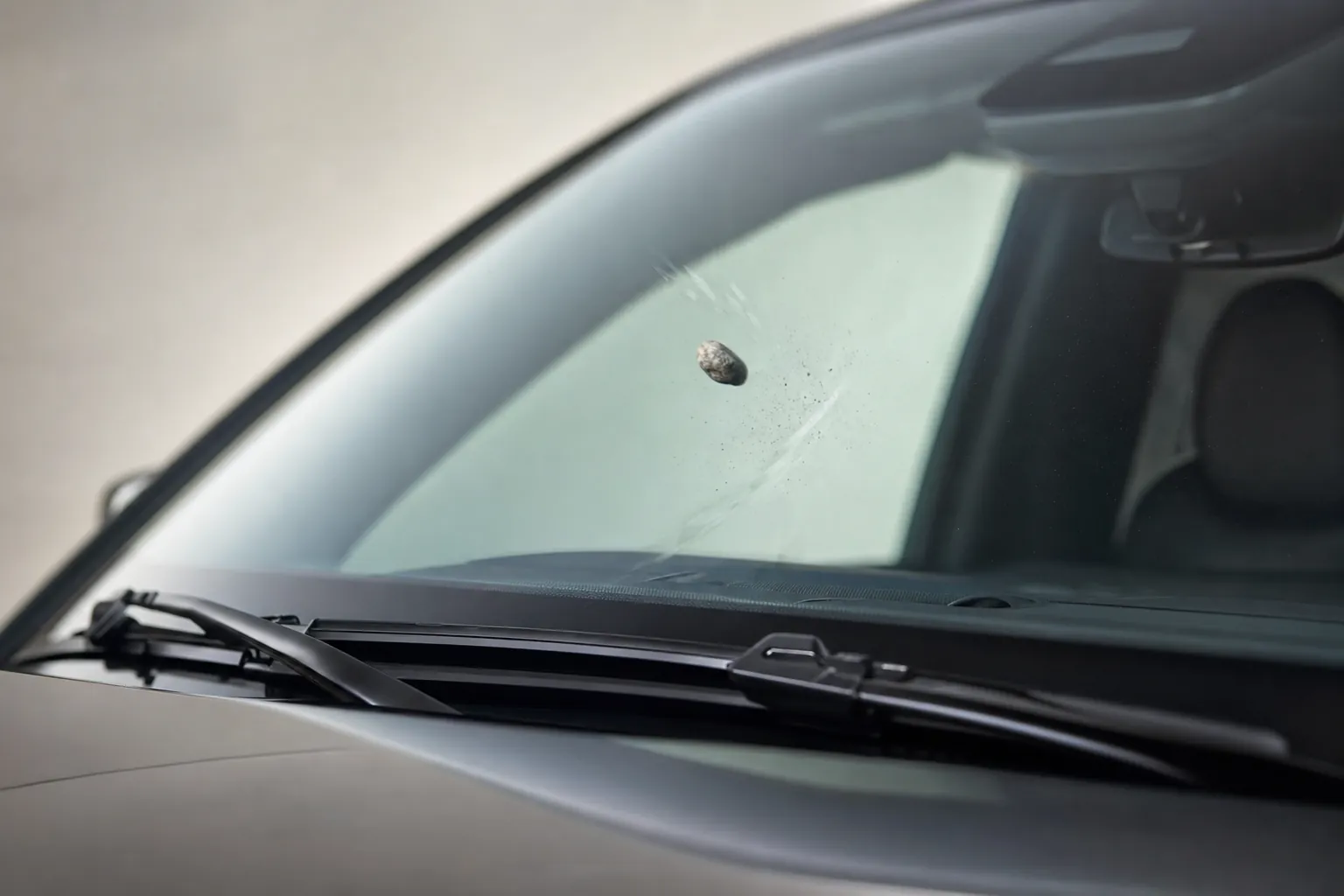
Impact Defense is a clear exterior film that takes the rock strike so your original glass doesn't. Installed in Peachtree City and across south metro Atlanta.
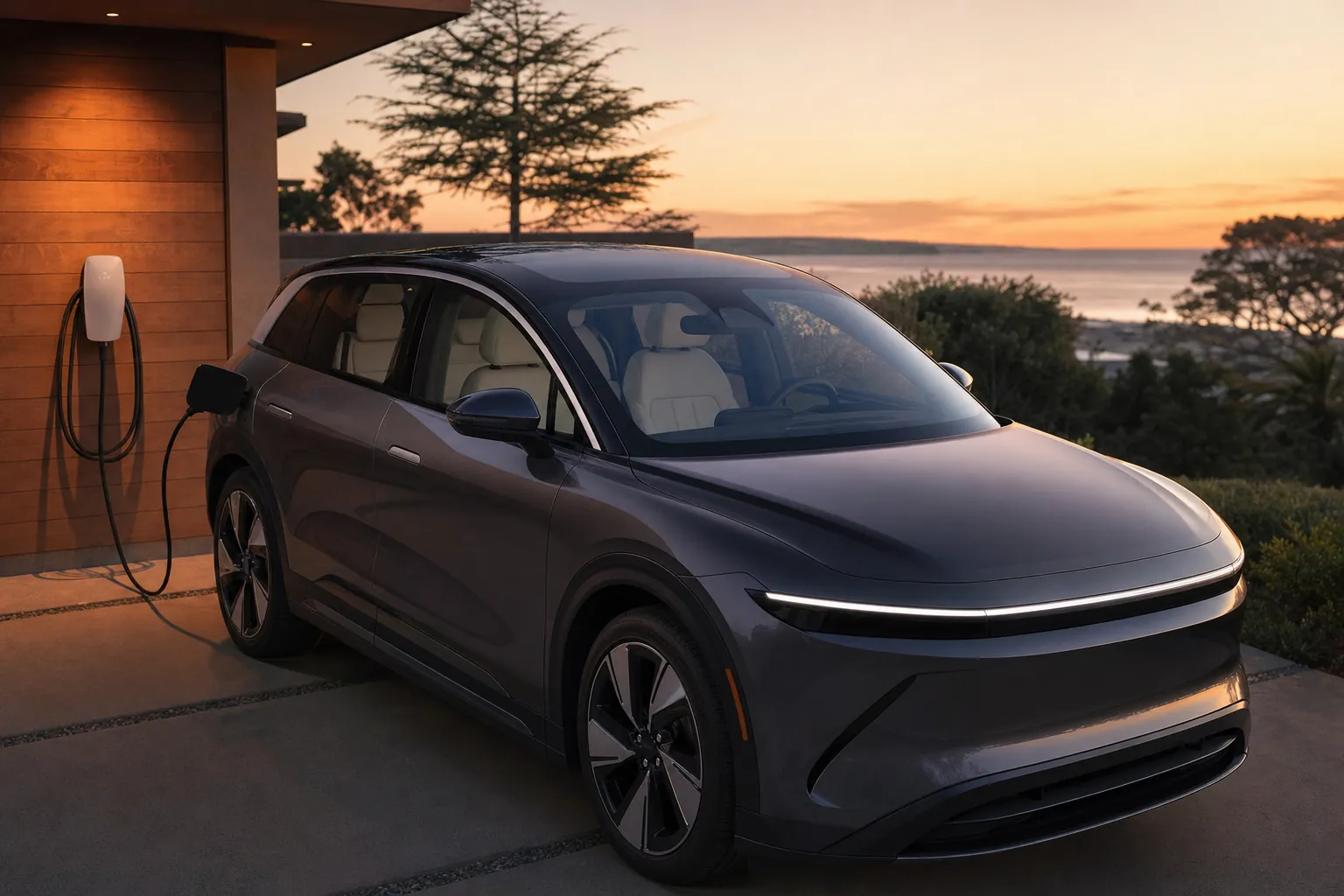
On a current Tesla, Rivian or almost any car built in the last few years, the windshield carries cameras and sensors that driver-assistance systems depend on. Swapping it starts a chain most people don't find out about until they're in it.
OEM glass has to be sourced and approved before anything happens. Aftermarket glass may not hold calibration the same way.
The camera bracket and sensor package have to come off the old glass and go onto the new, following the manufacturer's procedure.
Driver-assistance cameras must be recalibrated after the glass changes. That's a separate appointment at a shop with the right equipment.
Calibration that fails, glass that arrives damaged, or a scheduling gap all mean going back. Meanwhile you're driving with features disabled.
Impact Defense installs on the outside of the glass, so road debris meets a sacrificial polymer layer rather than your windshield. The surface is self-healing, which means the light scuffs and swirls that accumulate on any exposed glass don't stay.
All three use Impact Defense's Memory Polymer Technology and install on the outside of the glass, so the film absorbs the hit instead of the windshield. We'll tell you which one fits your car and, just as important, which one is legal on it.
Built for optical clarity. If you want the windshield to look and behave exactly as it does today, with a sacrificial layer between your glass and the road, this is the default choice.
Adds infrared rejection to cut solar heat gain through the glass. Worth considering on a Model Y or Model 3 in a Georgia summer, where the cabin load is real.
A darker finish for privacy and appearance. Legal placement is limited on public roads — see the note below before you plan around it.
The primary application, and the one that saves you the calibration chain. A curved EV windshield is expensive to source and slow to schedule; the film is neither.

A panoramic roof is a large, flat, permanently exposed panel with nothing above it. Hail, branches, parking-deck grit and airborne debris all land there first, and a roof panel is not a cheap piece of glass.

Stainless panels don't dent the way sheet metal does, but the glass is still glass — and a Cybertruck windshield is one of the largest single pieces on any production vehicle. Impact Defense installers have also applied Charcoal Series to the front roll-up windows.
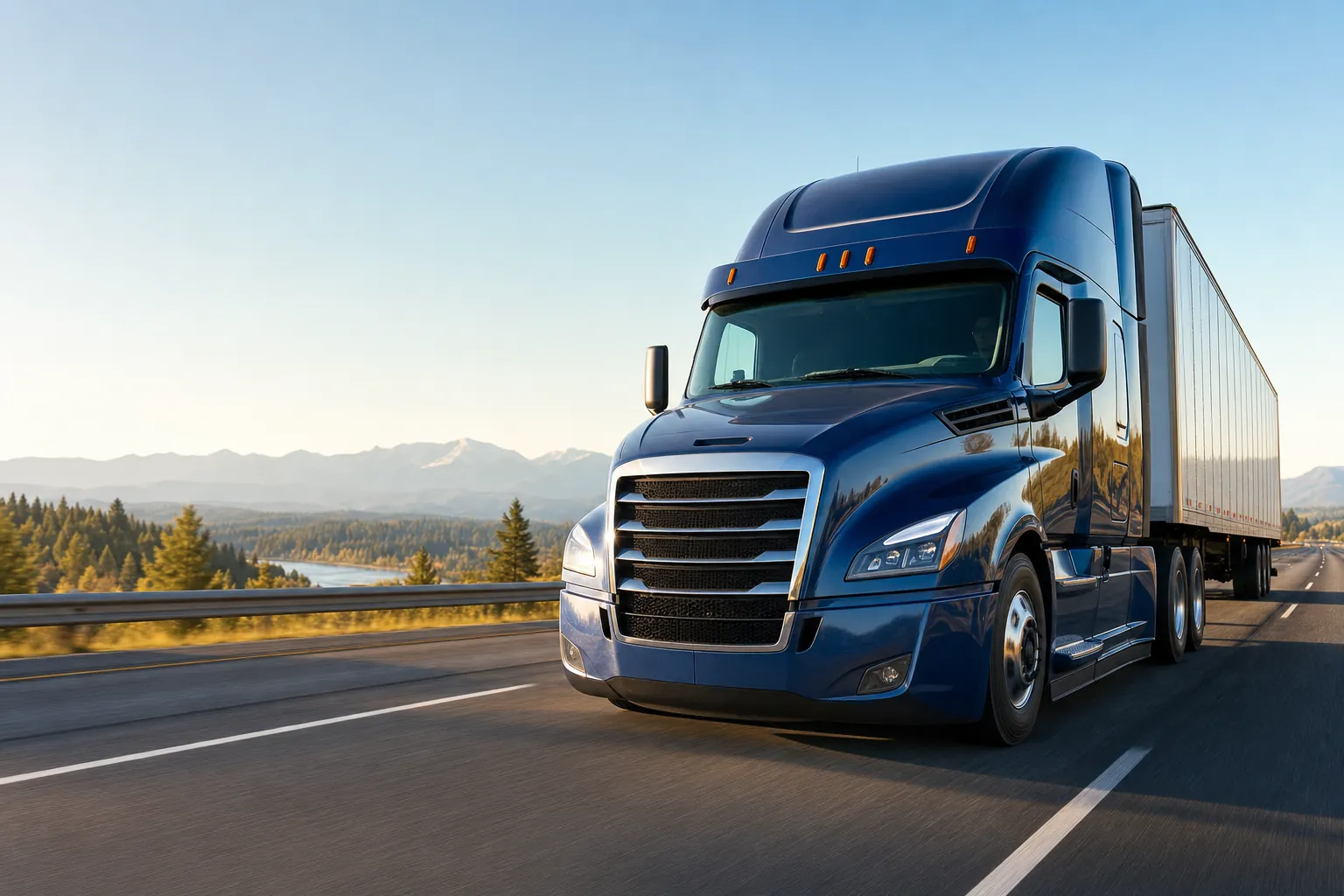
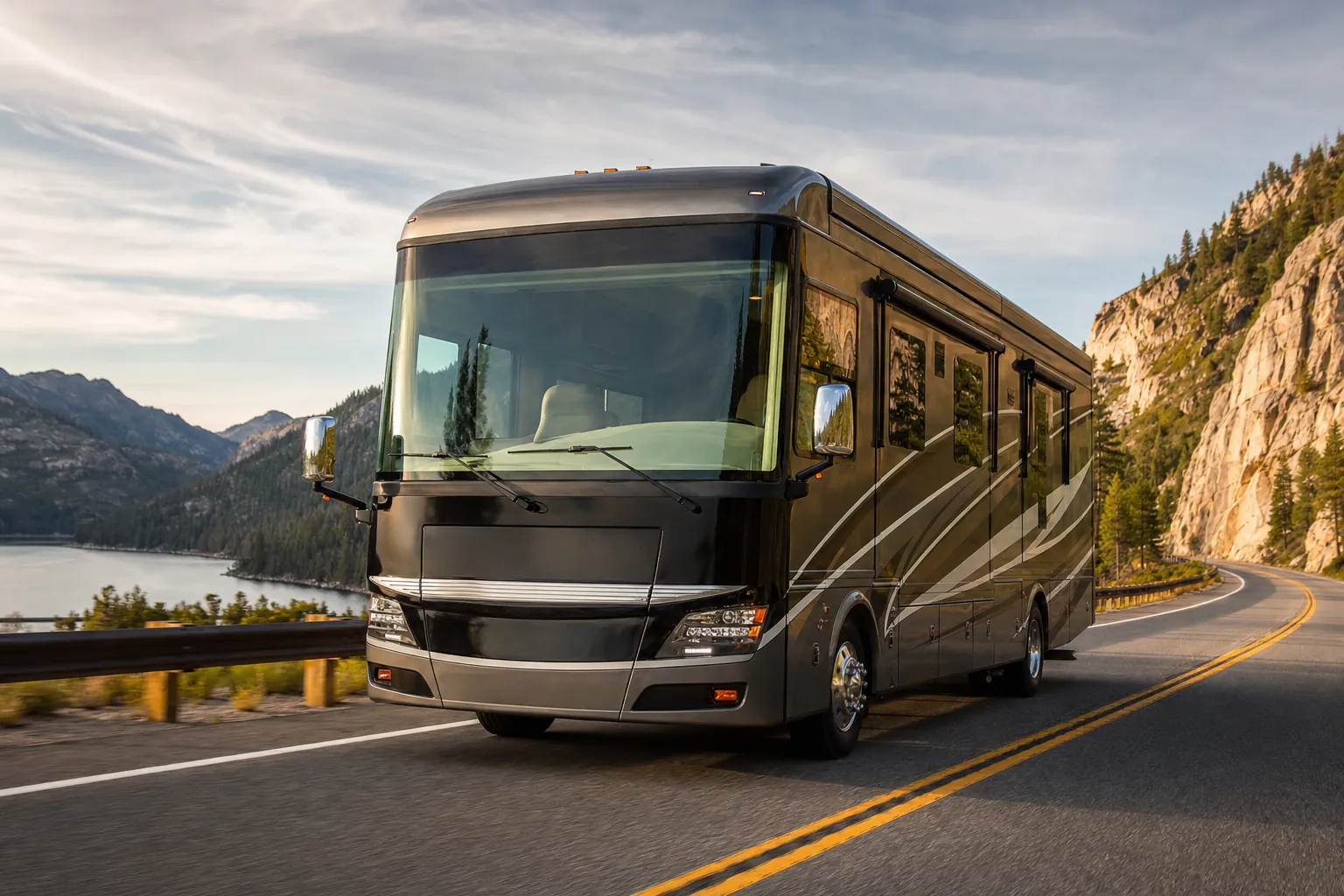
The same film covers commercial vehicles, RVs, boats, powersports and off-road glass. If you run vehicles where a cracked windshield means a truck sitting still, the case is easier to make.

Footage from Impact Defense USA. Rain and winter driving, and a close-up of the protective surface taking a direct hit.
A direct strike against the protective layer, close up.
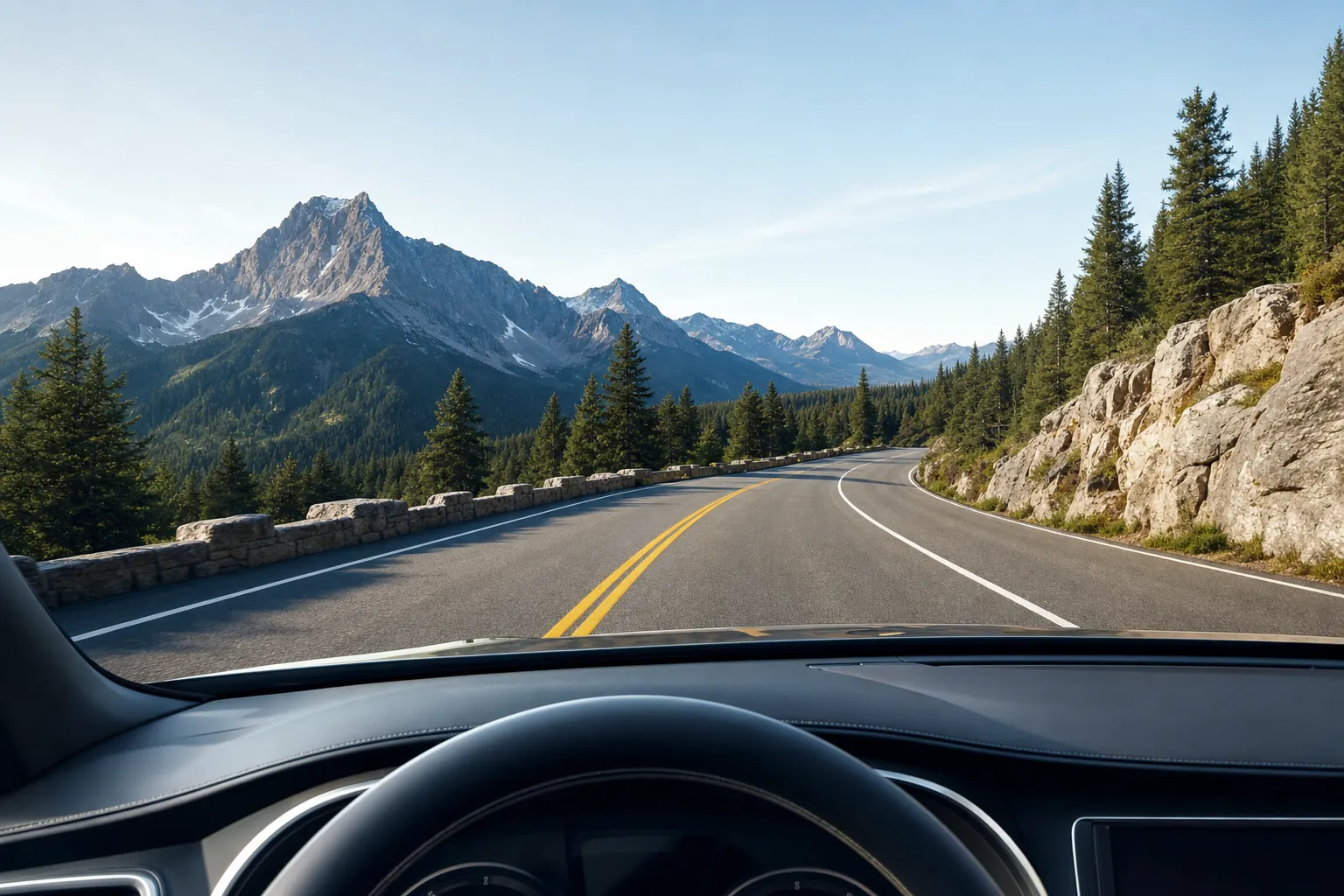
The driver's view through changing rain conditions.
A protected windshield after heavy overnight snowfall.
Installed film inspected after a hand wash.
Video courtesy of Impact Defense USA. Conditions shown are illustrative; results vary by vehicle, film series and circumstances.
Existing chips or cracks have to be addressed first. Film goes over sound glass; it isn't a repair.
Vehicle, glass location and Georgia law decide which series is appropriate. You get the reasoning, not just a recommendation.
Surface prep and application on the exterior. We photograph the work as we go, the same as every other job we do.
Warranty registration goes to Impact Defense with your details, and we hand you the documentation.
We'd rather you read this now than discover it later.
Impact Defense provides a lifetime limited warranty on the film against defects, on the terms set out in their warranty document.
Up to a $250 credit toward replacing the Impact Defense film, regardless of fault, during the first three years.
The no-fault credit does not cover the windshield, vehicle repairs, your insurance deductible or any other loss. It covers the film.
Our workmanship guarantee covers our labor and any damage caused by our installation. It does not extend or replace your manufacturer's warranty.
CLEAR Series is engineered for optical clarity and is the standard choice for a windshield. If you notice it while driving, something was installed wrong.
The film is designed for clear visibility through the camera's field of view. We'll confirm placement relative to the camera housing on your specific vehicle before installing.
Not on the main viewing area of a car driven on Georgia roads. Above the AS-1 line, on a glass roof, on roll-up windows or on off-road equipment, it's a different conversation.
The film is the sacrificial layer, so that's the system working. Within the first three years the no-fault provision puts up to $250 toward replacing it.
Yes. Everything we install is reversible, and this is no exception. Removal is a service we perform rather than something to attempt with a razor blade.
We operate mobile across Peachtree City and south metro Atlanta, with a permanent location opening this fall. Glass work needs a controlled surface and reasonable weather, so we'll talk through where the install should happen.

Pricing depends on the vehicle, the glass and the series. Send the details and we'll come back with a real quote, not a range.